Meaning & Purpose
How human beings orient their lives towards significance, value and larger contexts.
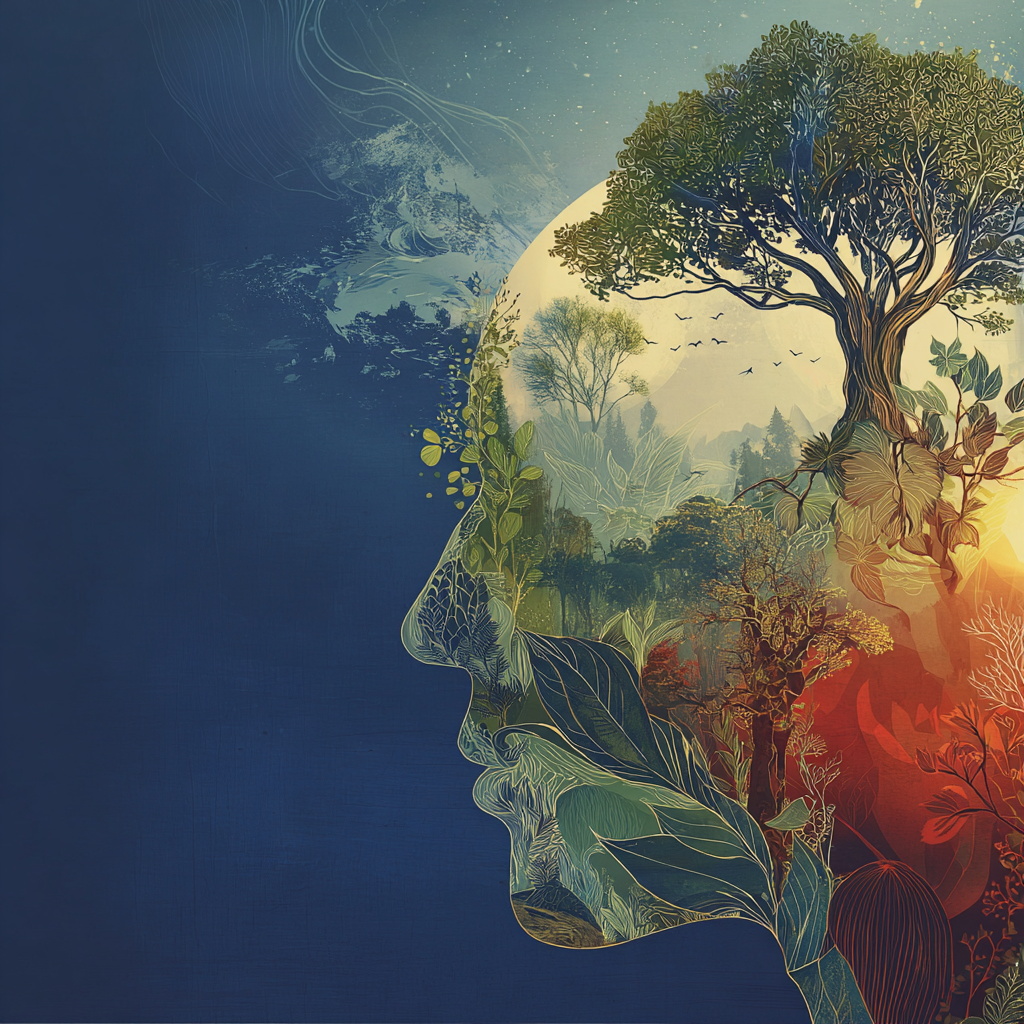
An emerging international inquiry
Exploring the fuller dimensions of being human—and how education might nurture the inner lives of students and teachers.
01 · The central question
Across cultures and traditions, education is rediscovering questions of meaning, purpose, belonging, awe, wonder, wisdom and connection with the wider living world.
These are not abstract concerns. They shape the inner lives of students and teachers: how they make meaning, sustain hope, encounter uncertainty, develop moral imagination and experience themselves in relationship with others and the world.
Yet this territory is described through many different languages: spirituality, spiritual intelligence, flourishing, contemplation, character, inner development, ecological belonging and whole-person education.
The purpose is not to establish another universal definition, but to create a clearer shared map.
The inquiry we are holding
And what do these different framings reveal about the relational dimensions of human development?
02 · Fields of exploration
The study will examine what each framing makes visible, where approaches converge and where important cultural, philosophical and spiritual differences must remain visible.
How human beings orient their lives towards significance, value and larger contexts.
Experiences that widen attention, unsettle certainty and open new forms of connection.
Knowing how to participate well in relationships, complexity and changing circumstances.
Connection with self, other people, culture, community, place and ancestry.
Reflection, intuition, imagination, embodiment, contemplation and different ways of knowing.
Relationship with the living world, transcendence and realities beyond the bounded self.
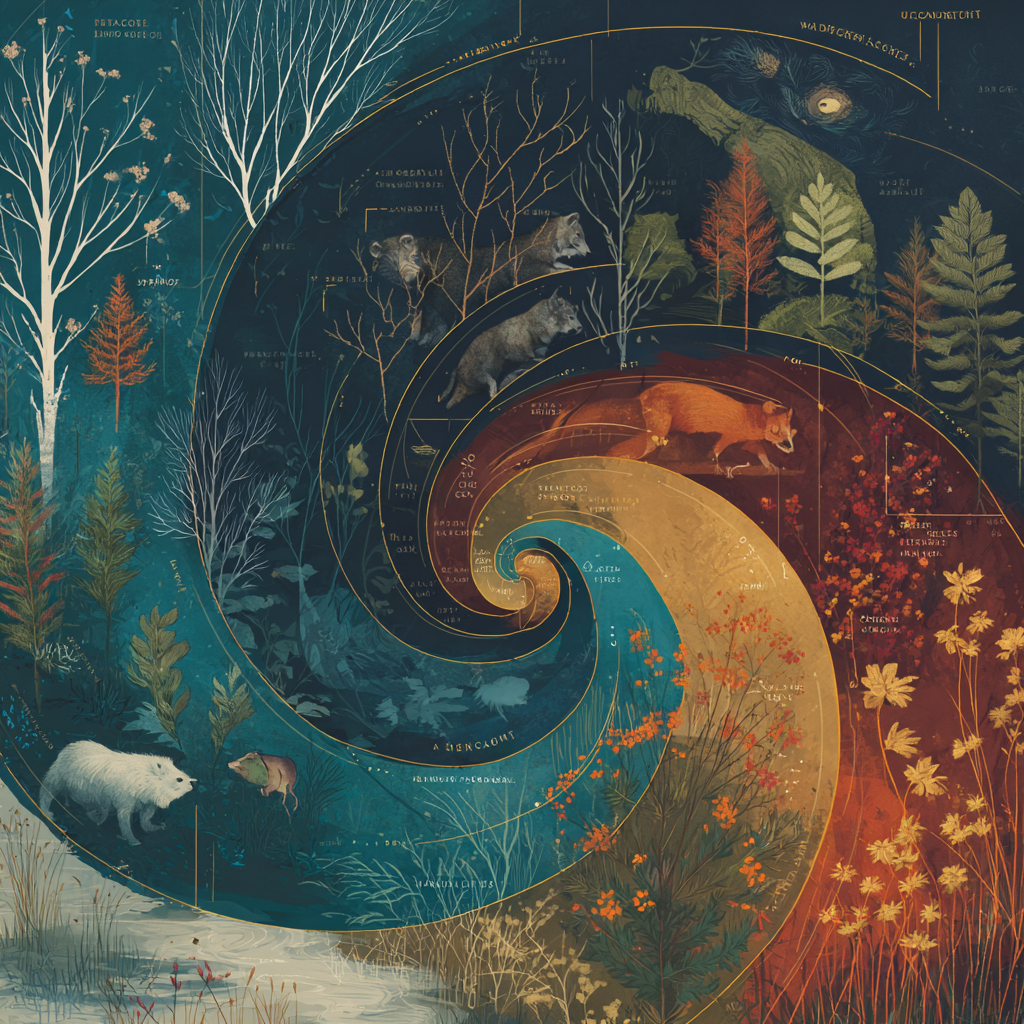
A genuinely open inquiry
The study will not assume that spirituality, spiritual intelligence, wisdom, consciousness, flourishing and relational intelligence are equivalent.
The study will not assume that inner life is exclusively internal or individual: it will explore how inward experience arises through relationship with culture, community, place, nature and larger horizons of meaning.
Religious, Indigenous, contemplative, philosophical and secular traditions may begin from profoundly different understandings of reality, knowledge and personhood. These differences are part of the inquiry—not obstacles to be translated away.
03 · Two Labs, one shared field
The dual-Lab structure prevents the study from becoming either an abstract inquiry detached from educational life, or an educational wellbeing study that loses the deeper questions of consciousness, transcendence, wisdom and meaning.
 Wisdom Lab
Meaning, transcendence, contemplative and philosophical traditions, and dialogue across worldviews.
Visit the Wisdom Lab ↗How inner experience connects with relationship, culture, education, systems and the wider living world.
 Learning Lab
Children and young people, educator flourishing, school life, relational conditions and whole-person learning.
Visit the Learning Lab ↗04 · Education from within
Education always engages an inner world, whether or not it names it. Students and teachers bring questions of identity, meaning, conscience, belonging, hope, grief, imagination and purpose into every learning environment.
The study will explore how educational cultures can recognise these dimensions without prescribing belief or reducing spirituality to a technique for performance or wellbeing. It will ask what enables people to develop inward depth while remaining open to relationship, difference and the wider living world.
To educate the whole person is also to attend to the life being lived within.
05 · The conditions that shape us
The inner life is deeply personal, but it is never purely private. It develops through relationships, cultures, environments and lived experience—and through the ways people are seen, heard and treated within educational communities.
Safety, trust, belonging, time, attentive relationships and opportunities for agency can enable students and teachers to engage more deeply with questions of identity, meaning, conscience and purpose.
Safety, trust, belonging and attentive relationships can create the conditions in which inward life becomes possible.
Play, creativity, imagination, beauty, nature, silence and meaningful ritual can express what cannot always be put into words.
Pressure, discrimination, insecurity, performativity and lack of time can narrow attention, agency and the space for meaning.
Questions for the inquiry
The inner life of the educator
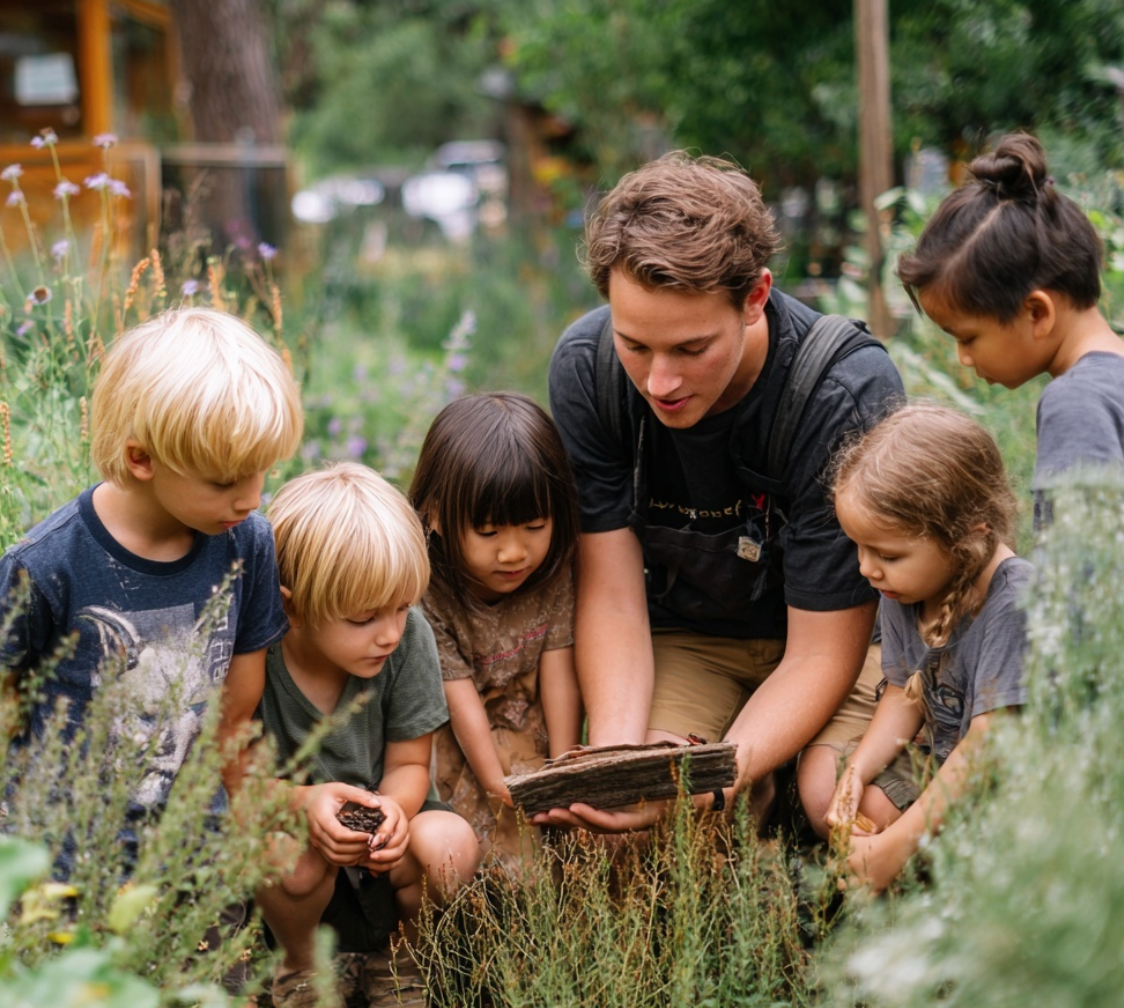
Teachers do not simply create conditions for the inner lives of students; they participate in those conditions through their own presence, judgement, attention and humanity.
The Inquiry will explore what enables educators to sustain meaning, moral purpose, imagination and relational presence in their work—and how professional cultures based on trust, reflection and appropriate autonomy might better support them.
06 · A connected inquiry
The wider Relational Intelligence Study explores the capacities through which human beings perceive, navigate and participate within relationships and complex living systems.
This inquiry asks whether spirituality and spiritual intelligence illuminate distinctive dimensions of relational development—including presence, compassion, reverence, interconnectedness, self-transcendence and participation in realities extending beyond the individual self.
Connection is a research question, not a predetermined conclusion.
07 · Research approach
The first stage is deliberately exploratory and comparative. It will map a purposive international sample while preserving cultural, geographical, epistemological and worldview diversity.
Refine the questions, selection criteria and comparative framework with a small core group.
Review primary research, frameworks and organisational materials across approximately 12–18 approaches.
Invite researchers, knowledge communities, students and teachers to examine the emerging map and contribute their lived perspectives. Recognising that inner life is not always best expressed through formal language, the Inquiry will remain open to story, image, metaphor, play, movement, silence and creative expression as possible forms of participation and knowing.
Identify convergence, difference, cultural variation, conceptual tensions and underrepresented dimensions.
Share the findings and consider a wider dialogue involving researchers, educators and young people.
The International Framing Map
The study’s central public resource will map how different approaches understand human development, educational purpose, spirituality, wisdom, relationship, culture, nature and transcendence.
The map will grow through the research. It will not rank traditions or frameworks; it will help make their distinctive contributions, assumptions and omissions easier to encounter.
In development08 · Current stage
The study is currently being shared with a small number of researchers, organisations and knowledge communities to test its central proposition, scope and comparative approach.
Its first task is not to provide answers, but to determine whether a more careful shared map could help this important international field see itself more clearly.